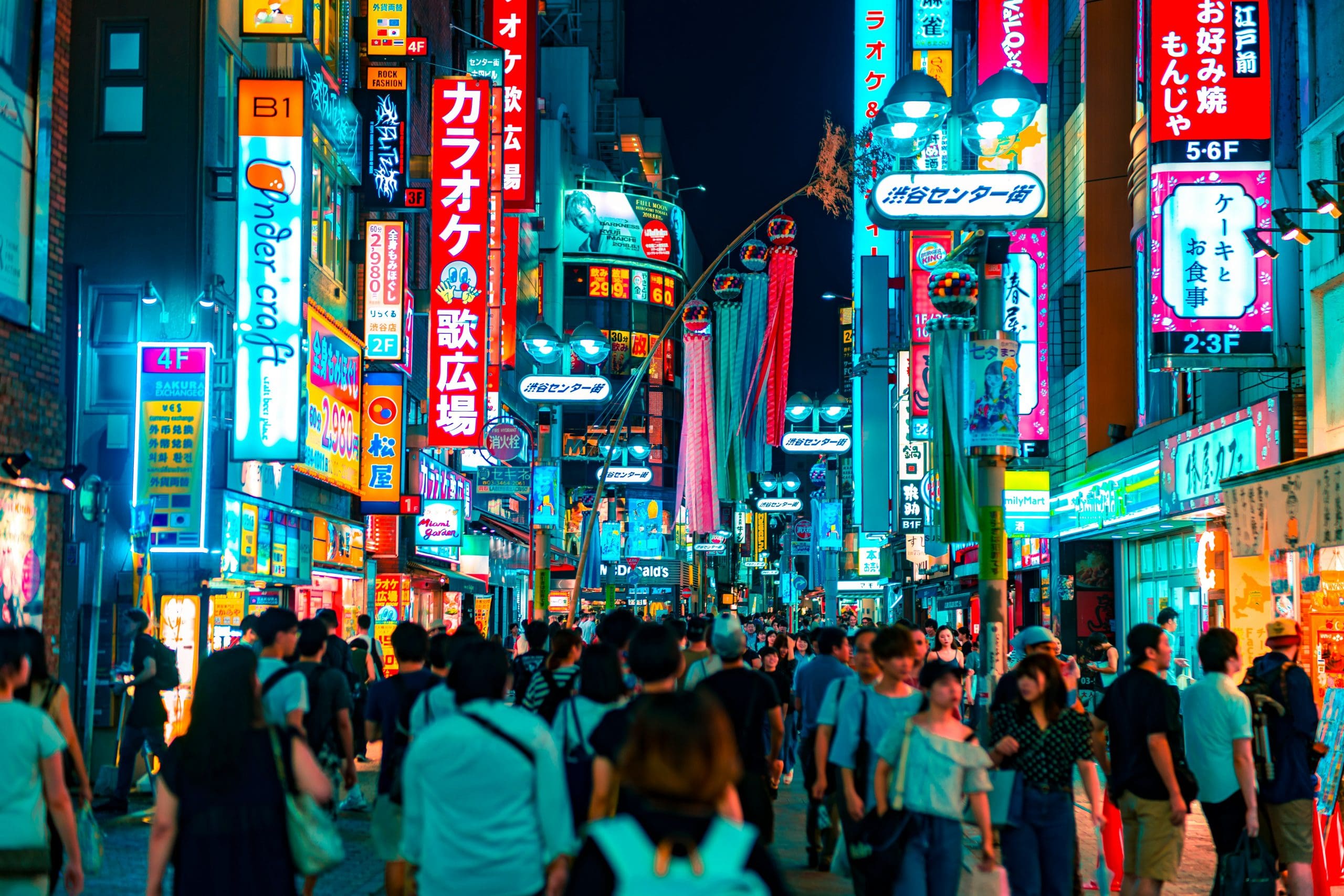
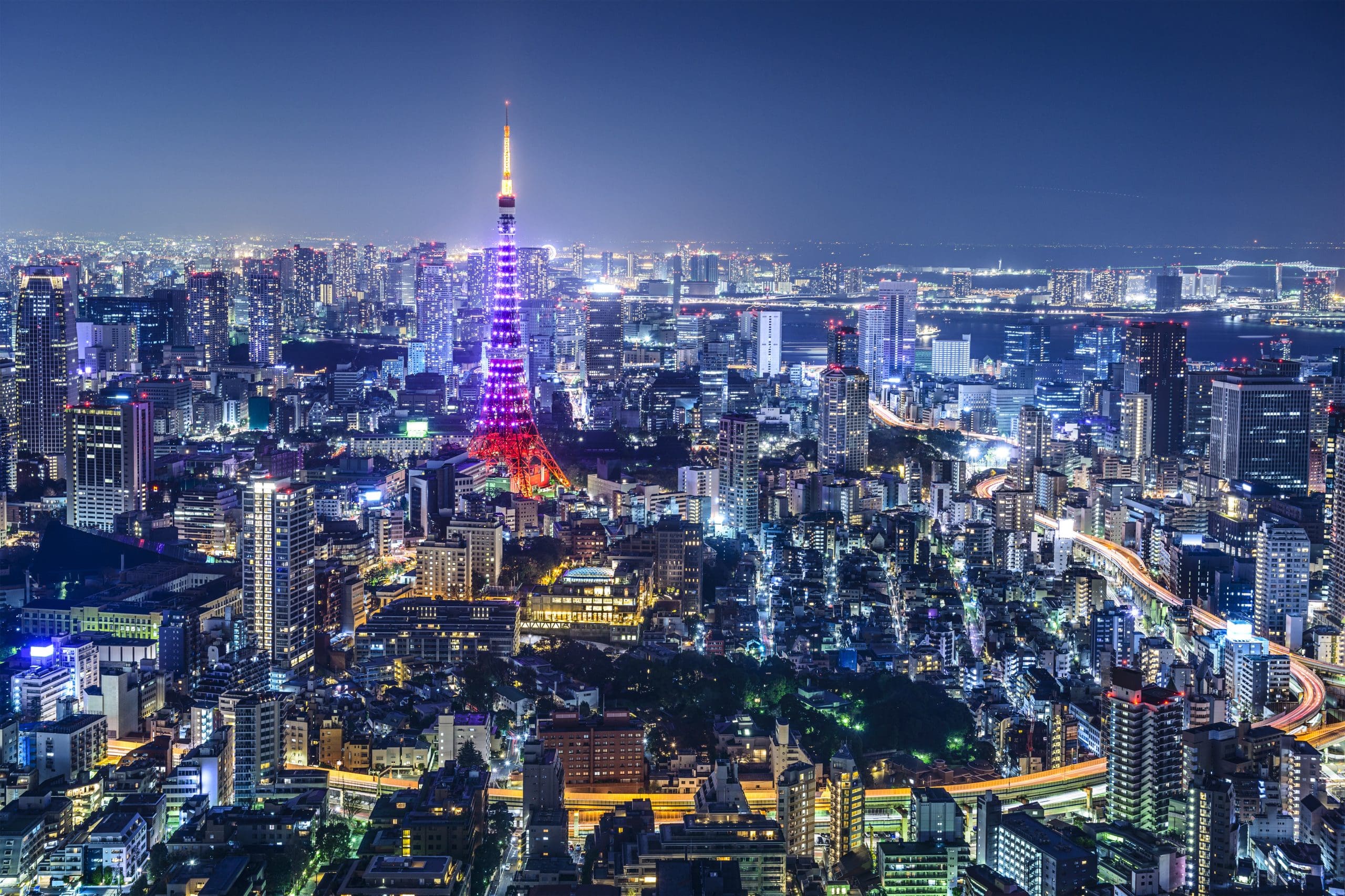
Futuristic Japan is at its clearest on the move, and the shinkansen is the thread running through every Japan journey we have built recently. On the Tokaido line the fastest Nozomi services cover the 500 kilometres between Tokyo and Kyoto in about two hours and ten minutes, at up to 285 km/h, and JR Central reports an average delay of under two minutes per train, a figure that includes disruption from typhoons and earthquakes. Much of the technology travellers notice is woven into ordinary days: high-tech toilets with heated seats and control panels in almost every hotel and station, a rechargeable IC card such as Suica that pays for trains, buses and convenience stores with a tap, and luggage forwarding services that carry suitcases from one hotel to the next overnight.
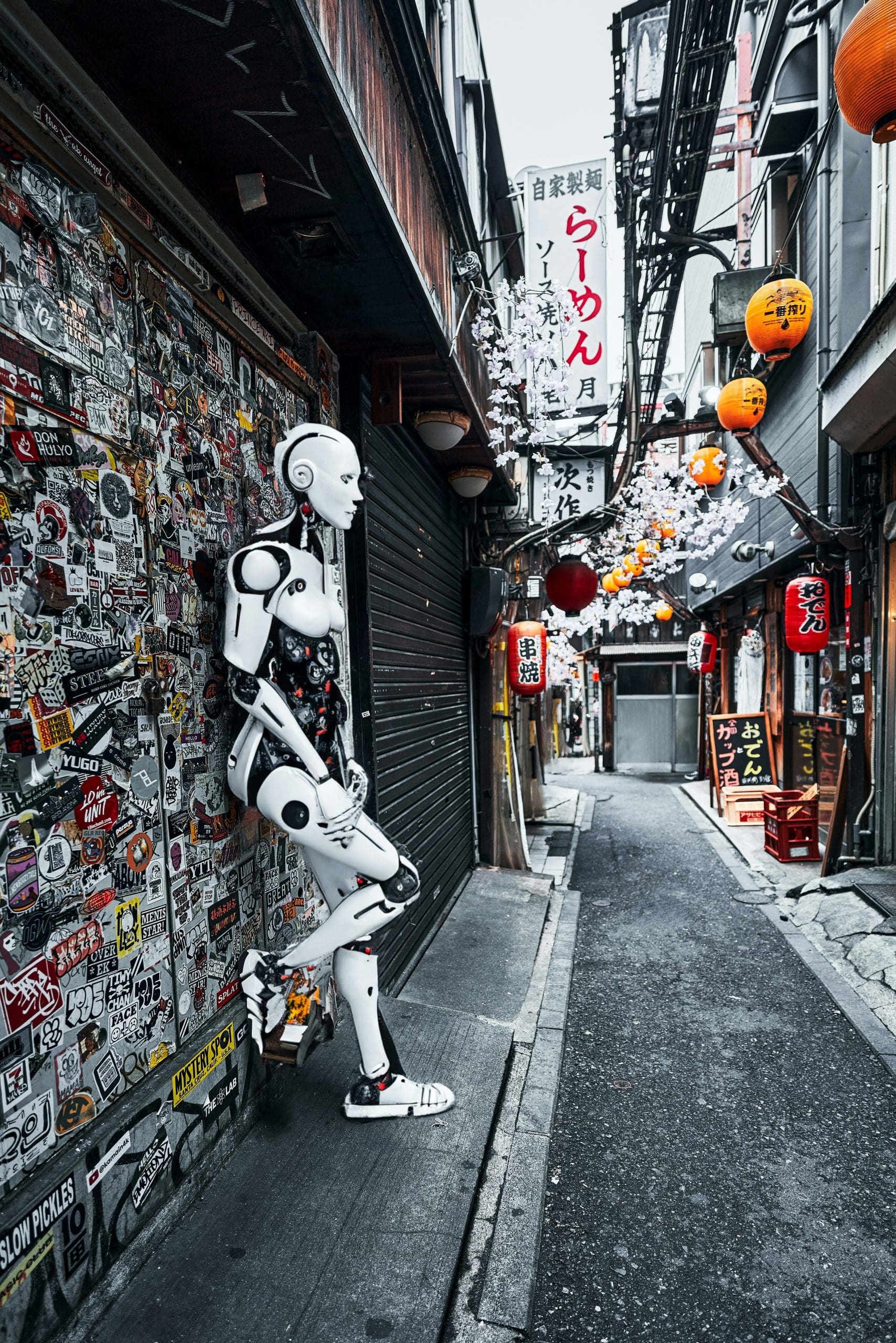
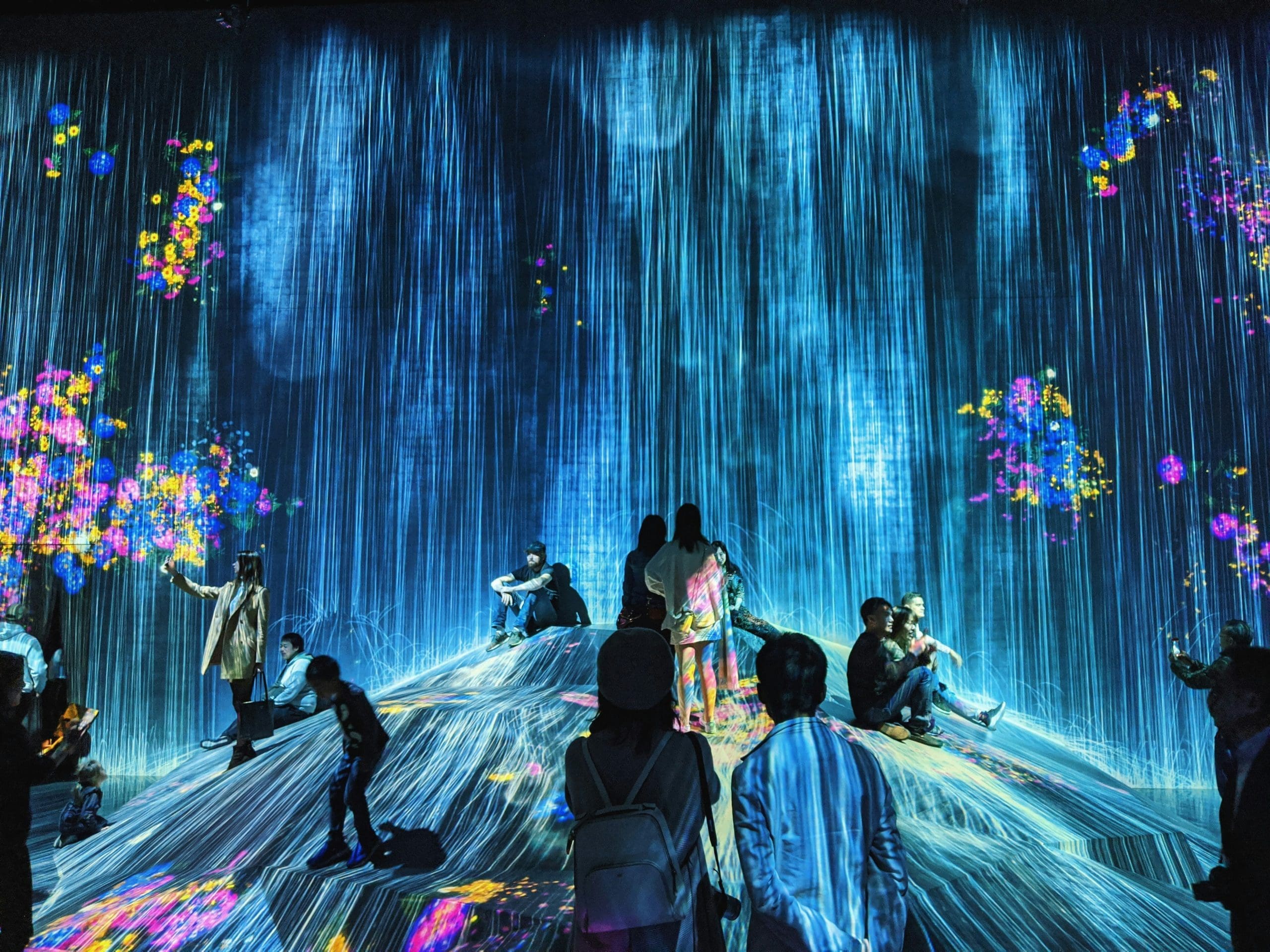
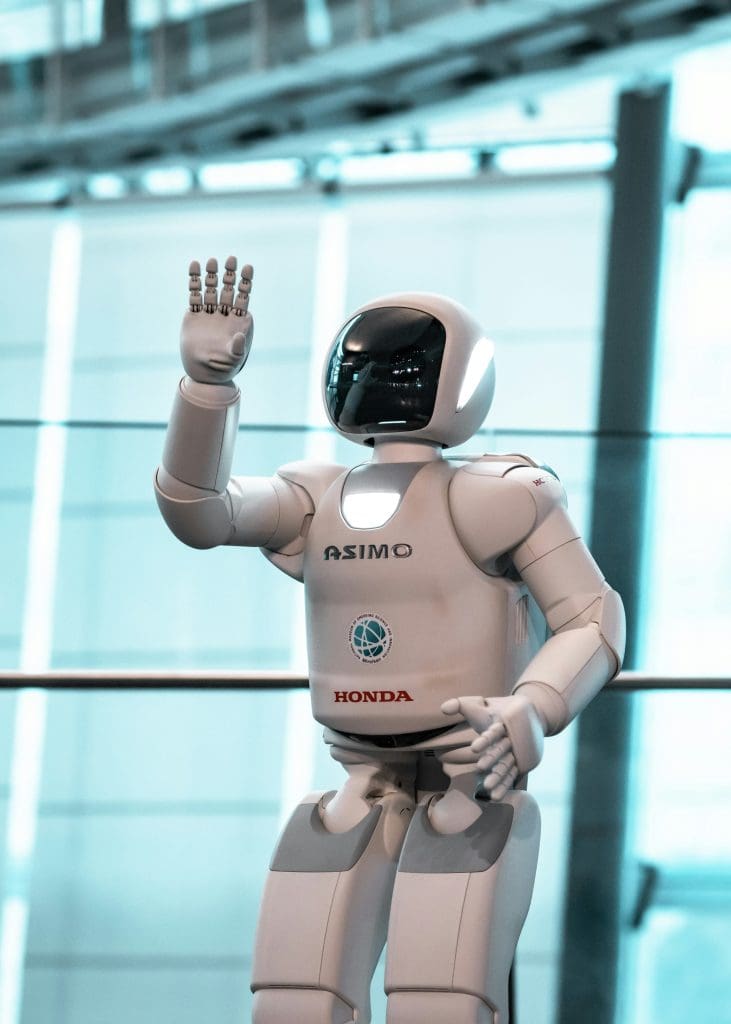
Tokyo holds the two experiences most travellers arrive asking about. teamLab Planets at Toyosu is walked barefoot, partly through knee-deep water, while teamLab Borderless at Azabudai Hills is a maze of connected rooms with no set route, and the two suit different moods. Planets is scheduled to run until the end of 2027. For robots, our first suggestion is DAWN Avatar Robot Café in Nihonbashi, where the OriHime robots taking orders and serving coffee are piloted remotely by people who are housebound, including people living with ALS, and tables book out well ahead. Travellers who want the loud neon spectacle of the former Robot Restaurant will find its successor, Samurai Restaurant Time, in the same Kabukicho venue. Miraikan, Tokyo’s science museum, is closed for refurbishment and reopens on 23 April 2027.
Beyond Tokyo the theme widens into engineering. The Chuo Shinkansen maglev will eventually link Tokyo and Nagoya in about 40 minutes, though its opening is now expected between 2034 and 2035 at the earliest. Until then, the Yamanashi Prefectural Maglev Exhibition Center at Tsuru, a short bus ride from Otsuki Station, is the one place where visitors can watch maglev test trains pass at 500 km/h. Test runs are not held every day, so we fix the date of the visit around the published schedule. In Nagoya, the SCMaglev and Railway Park displays 39 full-size railway cars, from steam locomotives to record-breaking maglev test vehicles, and the Toyota Commemorative Museum of Industry and Technology traces the company from its origins in textile looms to modern car production. Kyoto completes the route with teamLab BioVortex, a 10,000 square metre museum opened in October 2025, a seven-minute walk from Kyoto Station.
This journey suits travellers curious about how modern Japan works, comfortable with crowds and a city pace, and content to spend several days largely indoors. Ten to fourteen nights allows time in Tokyo, a day trip to Yamanashi, two nights in Nagoya and time in Kyoto, without filling every day with exhibitions. teamLab’s dim lighting, mirrored rooms and water sections are not to everyone’s taste, so we match the venue to the traveller. On the Tokaido Shinkansen, suitcases with combined dimensions over 160 centimetres need a reserved seat with an oversized baggage area, which is one more reason we forward the larger bags and travel with day bags. The route also works well for grandparents travelling with older grandchildren.


 Trustindex verifies that the original source of the review is Google.
 Trustindex verifies that the original source of the review is Google.
 Trustindex verifies that the original source of the review is Google.
 Trustindex verifies that the original source of the review is Google.
 Trustindex verifies that the original source of the review is Google.
 Trustindex verifies that the original source of the review is Google.
 Trustindex verifies that the original source of the review is Google.
 Trustindex verifies that the original source of the review is Google.
 Trustindex verifies that the original source of the review is Google.
 Trustindex verifies that the original source of the review is Google.
Travel rewards attention. Five for Fridays is our monthly letter from Ron: five things about the world worth knowing before you go – or before you decide where.