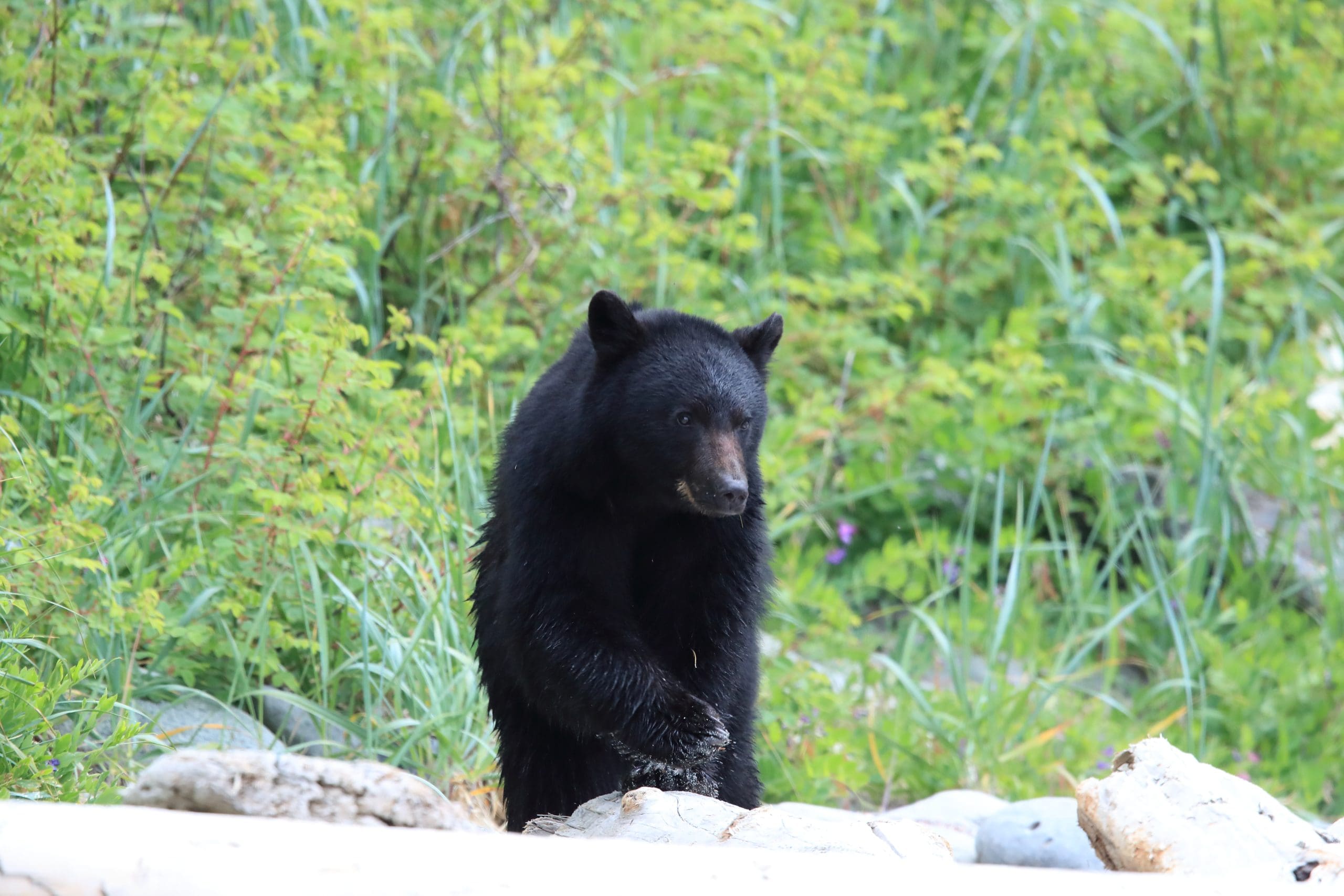
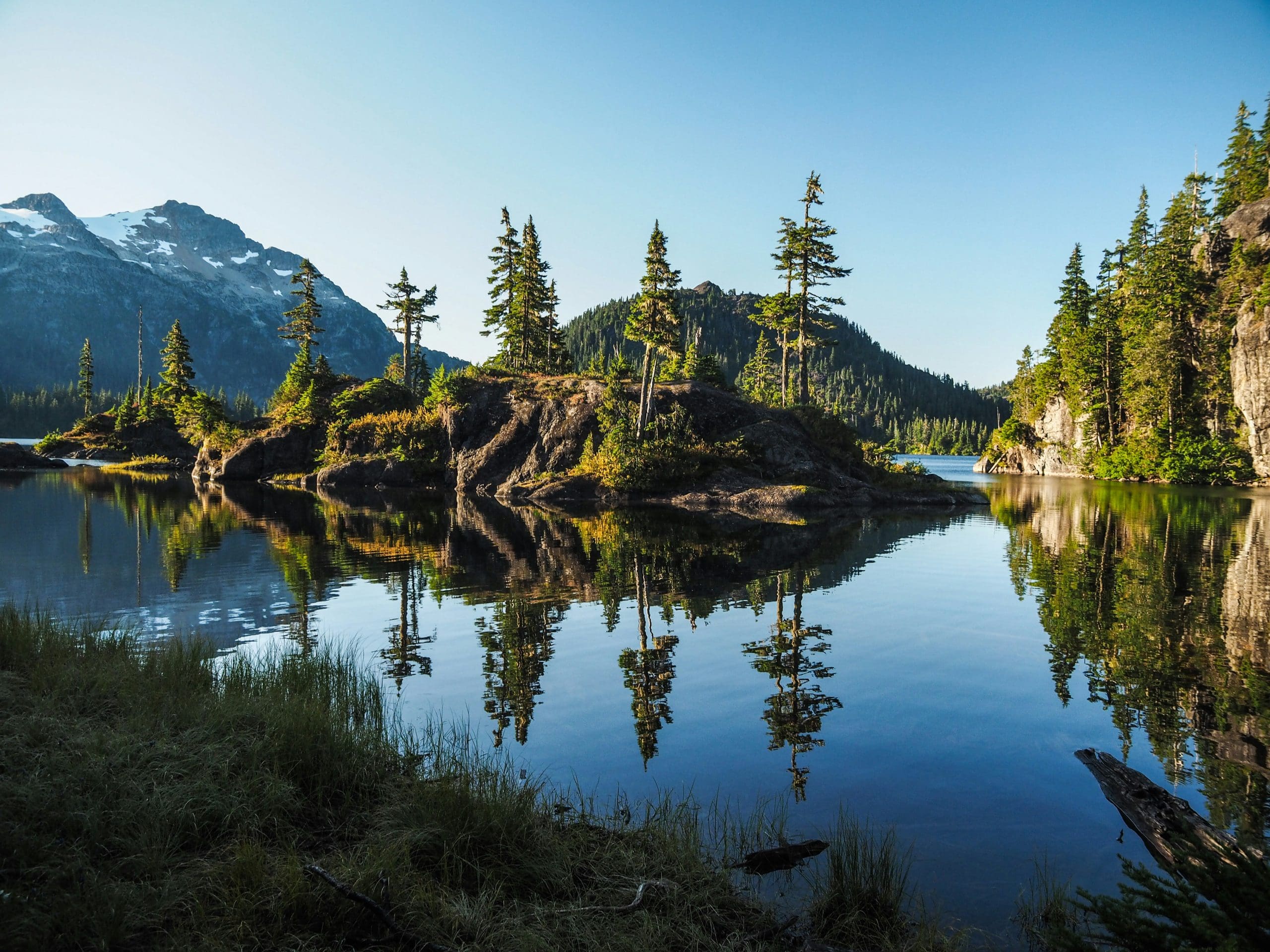
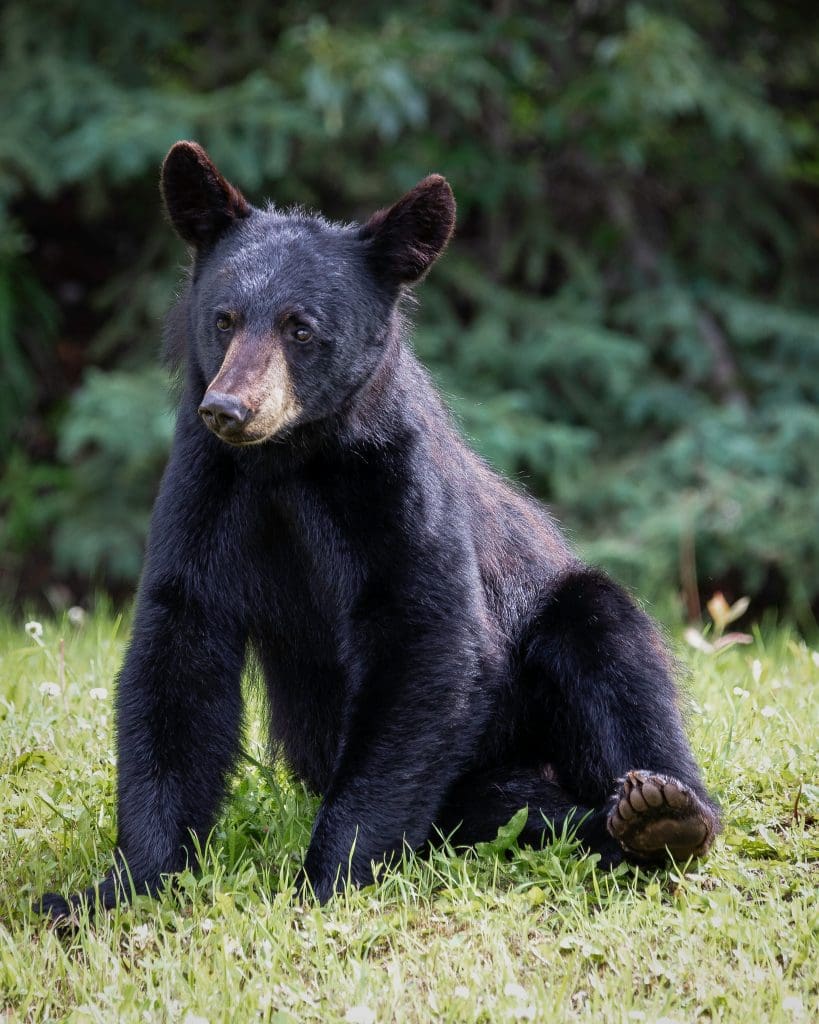
Black bear watching on Vancouver Island is a different proposition to the grizzly viewing offered from the British Columbia mainland further north. There are no grizzlies on the island, only an estimated seven to twelve thousand black bears sharing an island a little larger than Belgium, one of the densest bear populations found anywhere in North America. It is a bear that suits considered watching better than most: solitary, tide timed, and reliably predictable once you understand what it is doing at that point in the year.
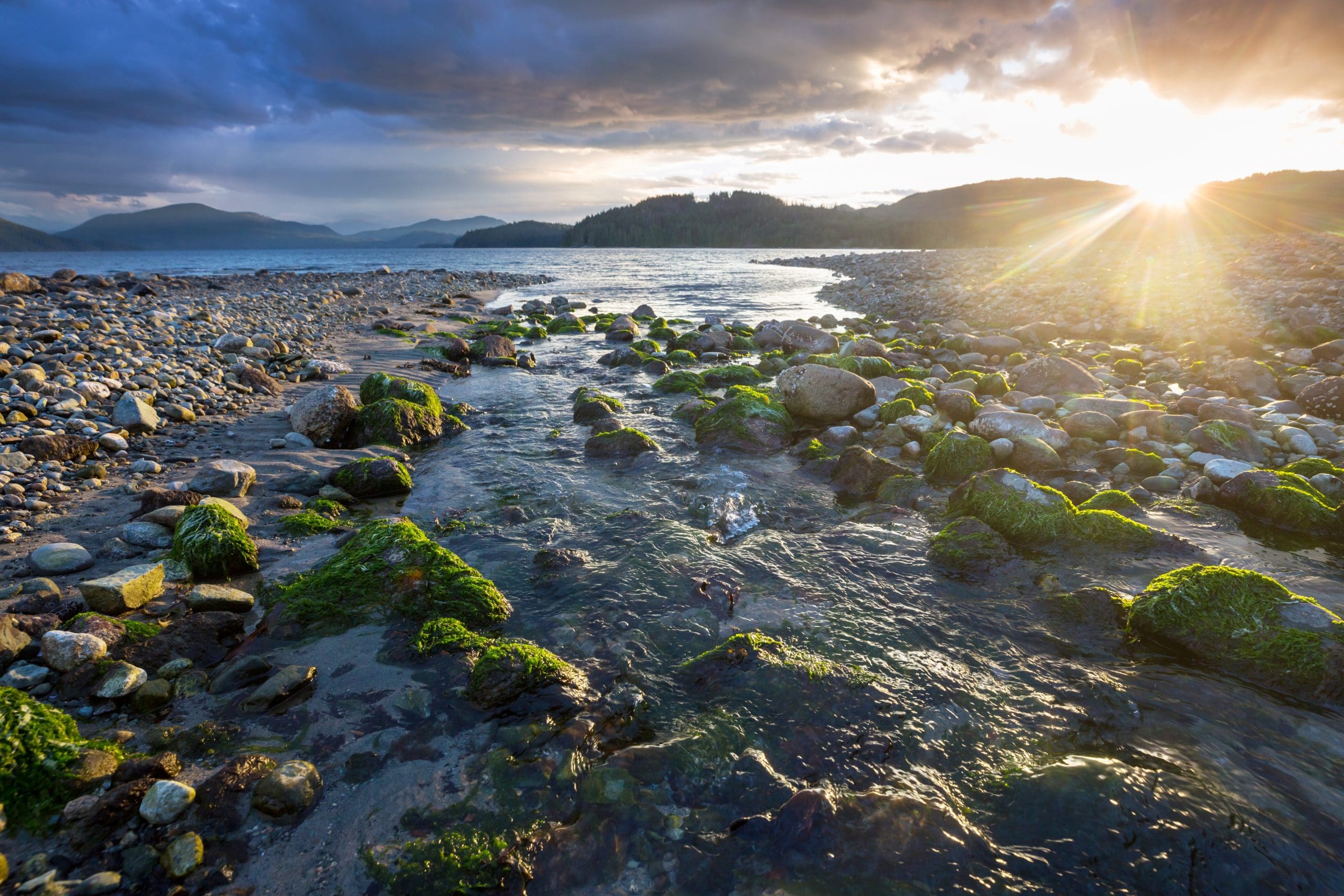
The pattern that matters most is seasonal, and it comes down to hunger. Bears come out of hibernation in April thin and undernourished, having lost as much as a third of their body weight over the winter, and they go straight to the shoreline. At low tide, the rainforest edge gives way to exposed rock and mudflat thick with crabs, shellfish and the season’s first sedge grass, and a hungry bear will work that strip of coast methodically, turning stones and grazing at a pace that makes for genuinely good watching. Clayoquot Sound, reached by boat from Tofino through its network of sheltered inlets, is where this spring pattern is most reliably seen. Clayoquot Wilderness Lodge, a remote wilderness property on the Bedwell River reached by floatplane or boat, sits inside that same stretch of coast and puts guests within reach of the shoreline for several days rather than a single outing. Cubs typically appear on these shorelines from late May as sows bring them out for the first time.
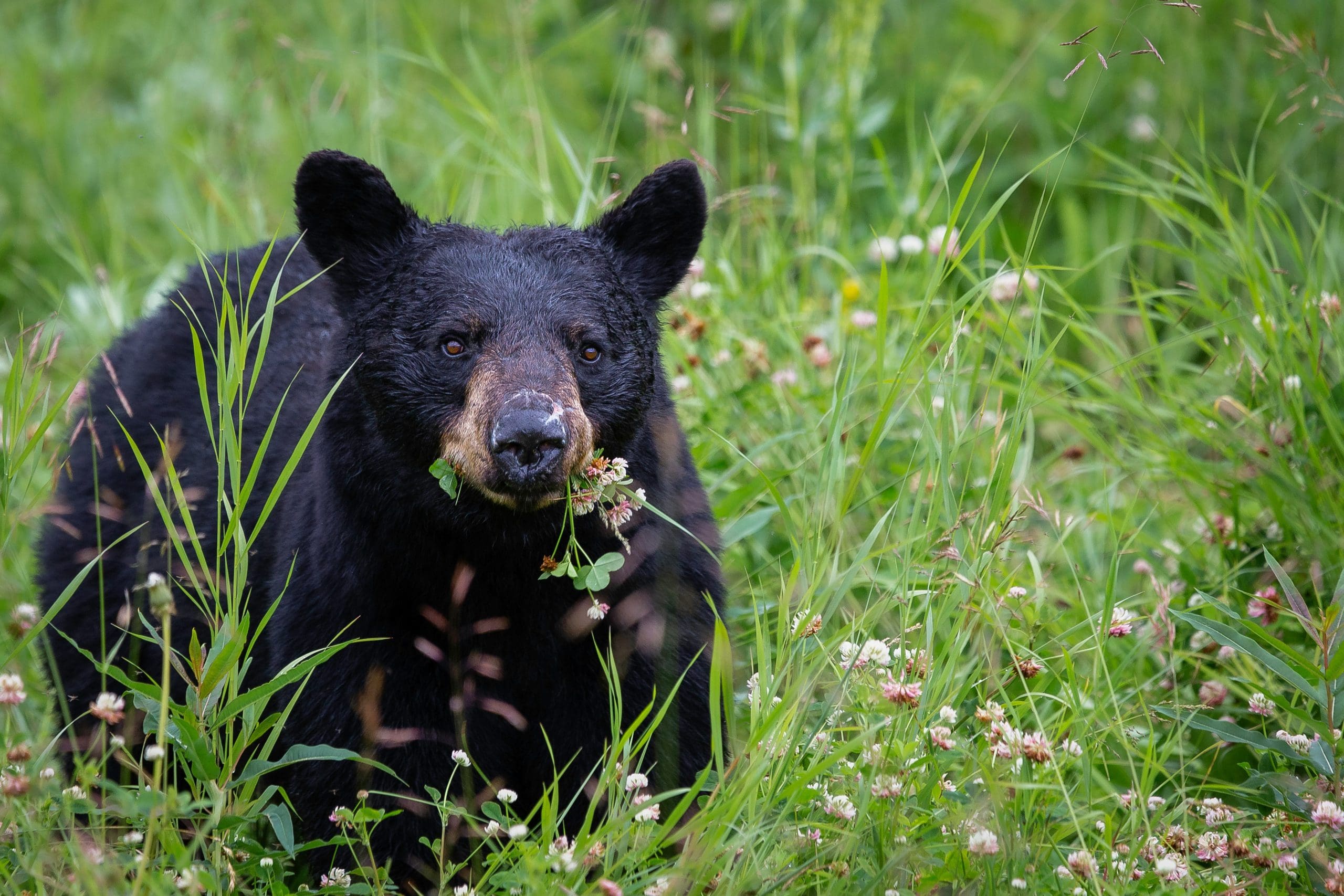
By late summer the priority reverses. Hyperphagia, the biological drive to eat enormous quantities ahead of denning, pulls bears away from the coast and inland to the rivers where salmon are running. On Vancouver Island that means creeks and hatchery reaches such as the Quinsam River at Campbell River and the Stamp River near Port Alberni, running from August through November as different species peak in different months, pink and chum earliest, coho and chinook later in the season. A bear in hyperphagia can feed for up to twenty hours a day, which makes autumn the season for watching bears actually feed rather than simply forage, a markedly different rhythm from the unhurried tide walking of spring.
Both seasons reward the same kind of traveller: someone content to sit in a boat or on a viewing platform and wait, rather than someone working through a checklist. Spring suits a traveller who wants time on the water and does not mind that early low tides can mean an early start. Autumn suits a traveller drawn to the drama of a salmon run, and often means sharing the outing with a wildlife photographer or two, since the creek mouths in peak salmon season are when serious photographers travel to the island specifically. Either way, this sits well as a two to three night addition to a Vancouver Island itinerary rather than a destination in its own right, paired naturally with Tofino’s coastline and old-growth forest or Campbell River’s own salmon heritage.


 Trustindex verifies that the original source of the review is Google.
 Trustindex verifies that the original source of the review is Google.
 Trustindex verifies that the original source of the review is Google.
 Trustindex verifies that the original source of the review is Google.
 Trustindex verifies that the original source of the review is Google.
 Trustindex verifies that the original source of the review is Google.
 Trustindex verifies that the original source of the review is Google.
 Trustindex verifies that the original source of the review is Google.
 Trustindex verifies that the original source of the review is Google.
 Trustindex verifies that the original source of the review is Google.
Travel rewards attention. Five for Fridays is our monthly letter from Ron: five things about the world worth knowing before you go – or before you decide where.