A night in a ryokan in Japan is the most direct way into traditional Japan, and it shapes the rhythm of a whole journey. Guests arrive in the afternoon, change into a cotton yukata, bathe in the hot spring before dinner, and sit down to a kaiseki dinner of many small seasonal courses, served at a set time. While dinner is cleared, futons are laid out on the tatami, and the morning brings a traditional Japanese breakfast of grilled fish, rice, miso soup and pickles. Hakone, 90 minutes from Tokyo, is where recent client journeys have begun, and Gora Kadan is the benchmark there: a Relais & Châteaux ryokan since 1991, on the grounds of the former summer villa of the Kan’in-no-miya branch of the Imperial family, with its own hot-spring sources and many rooms with private open-air baths. Hakone’s loop by mountain railway, cable car, ropeway over the volcanic Owakudani valley and boat across Lake Ashi fills the day around it.
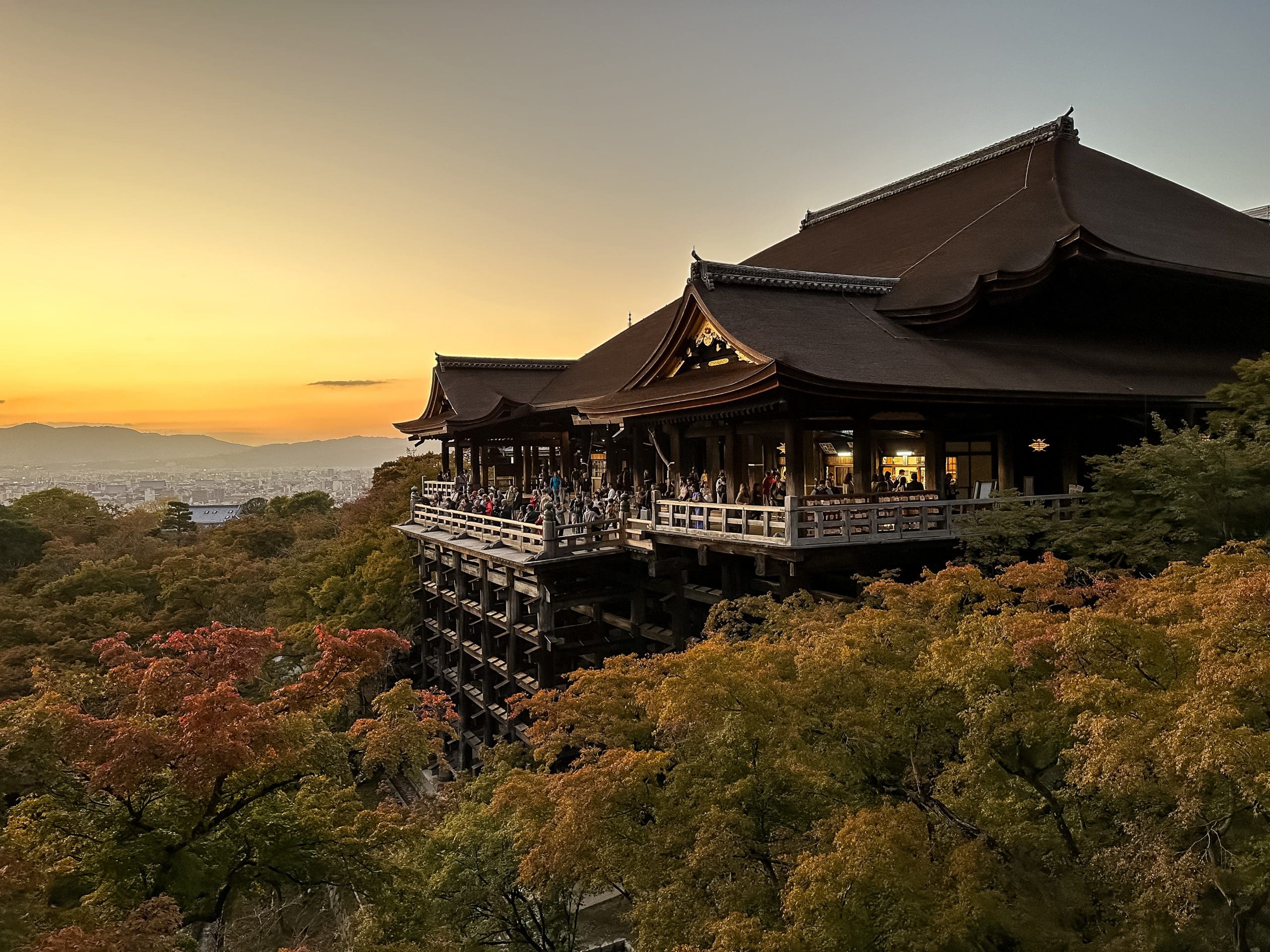
Kyoto’s old town is the heart of the journey. The stone-paved lanes of Sannenzaka and Ninenzaka climb through Higashiyama towards Kiyomizu-dera, lined with wooden machiya houses that now hold tea rooms and craft shops, and they are at their best before about nine in the morning, when the day’s crowds arrive. In Gion, Hanamikoji and the canal-side Shirakawa area are open to visitors, but the private lanes branching off Hanamikoji have been closed to tourists since 2024, part of the district’s response to visitors photographing geiko and maiko. A tea ceremony in a machiya and an hour with a craftsperson, a dyer or a lacquer maker, give Kyoto time beyond its temples. We allow at least three nights here and place the city’s ryokan night where it suits the route.
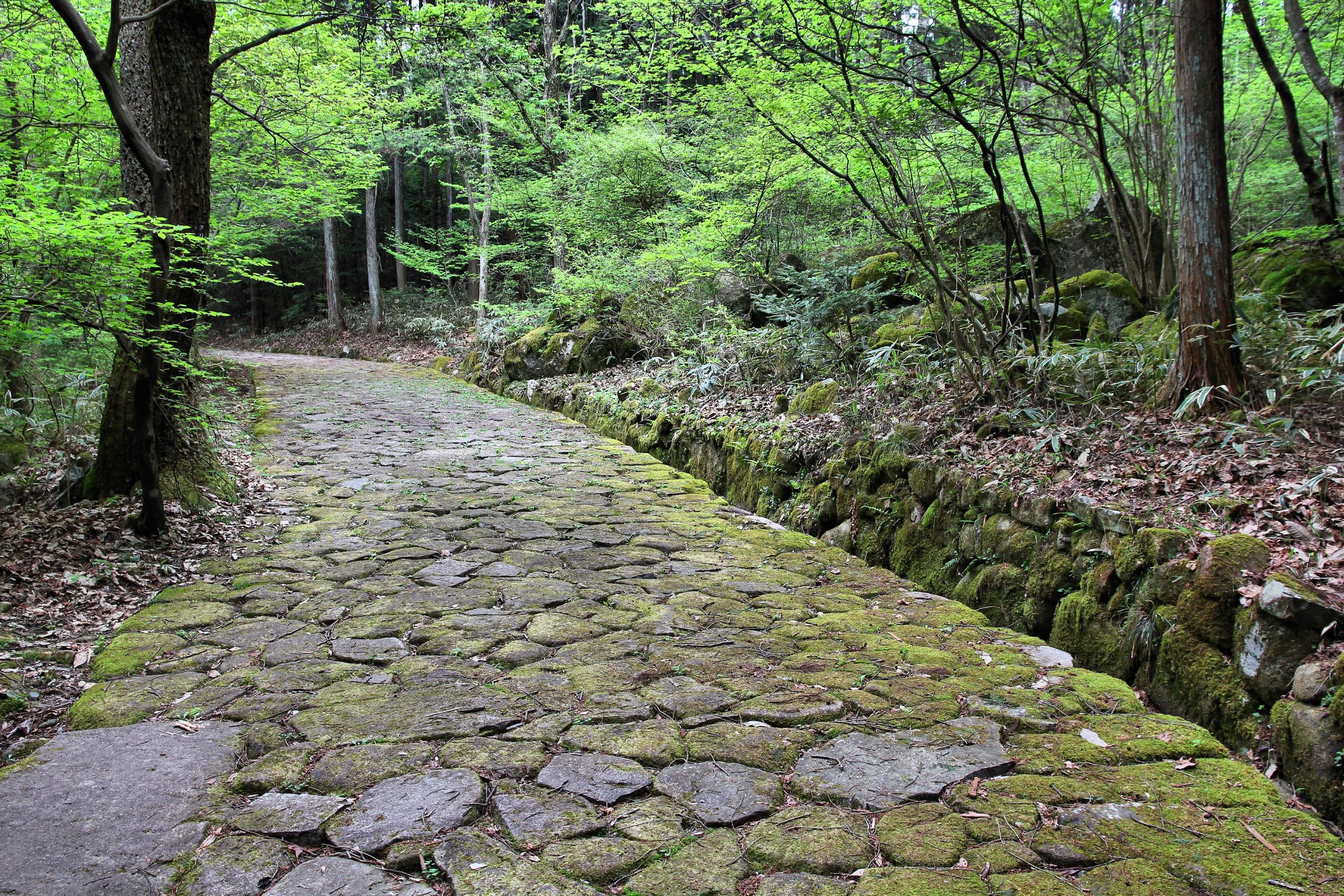
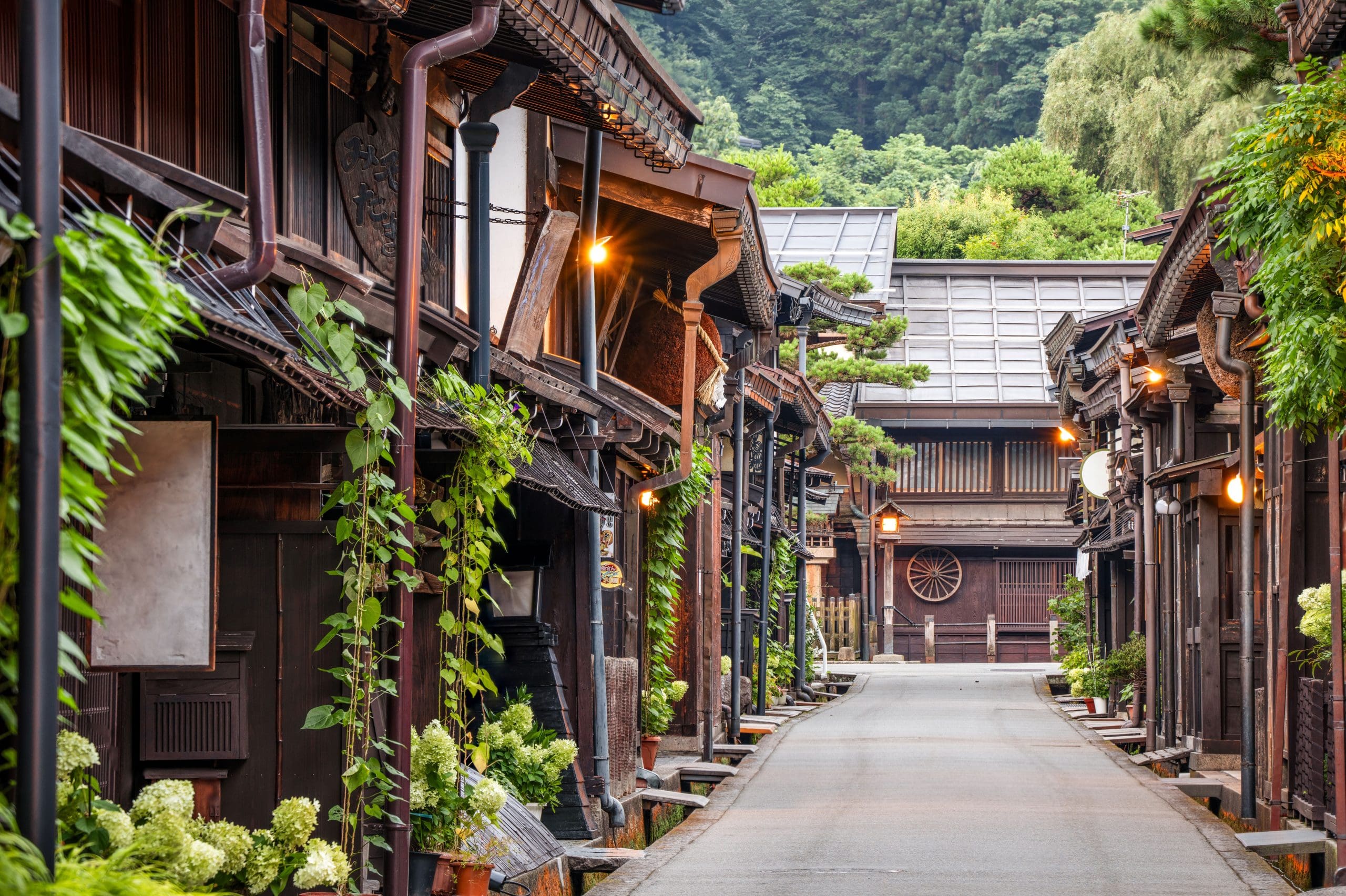
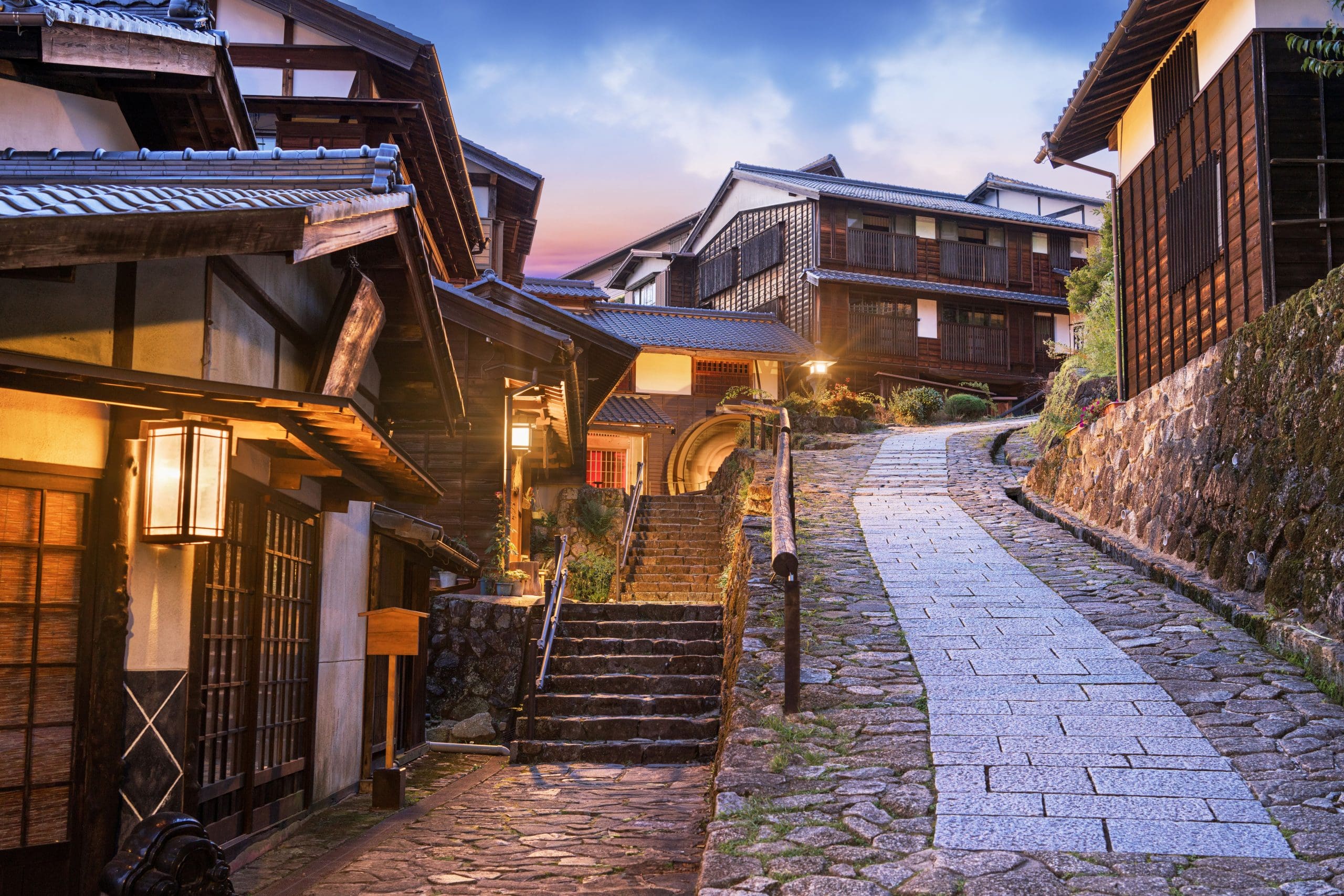
Between Hakone and Kyoto lies the countryside of the Kiso Valley and the Japanese Alps. The Nakasendo, the old inland road between Edo and Kyoto, survives most completely between the post towns of Magome and Tsumago, an 8 kilometre walk over Magome Pass that takes two and a half to three hours, mostly downhill in that direction. From 20 March to 30 November, the two tourist offices forward luggage between the towns, so the walk is made with a day bag. Tsumago keeps its power lines out of sight and its main street free of cars, and a night in one of its family-run inns is one of the quietest of the journey. Takayama, about two hours and 20 minutes from Nagoya by the Hida limited express, adds Sanmachi Suji’s Edo-period merchant houses, sake breweries marked by cedar balls above their doors, and two morning markets that open daily at 7am.
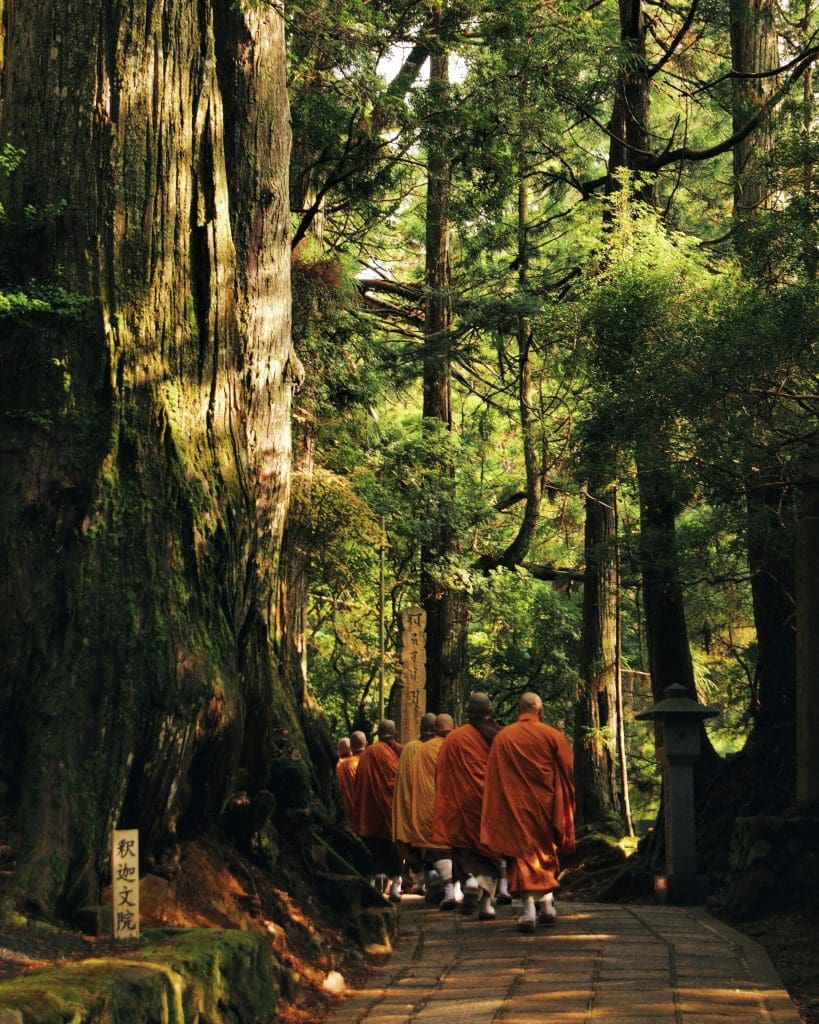
Koyasan makes a deliberate contrast. Around 50 of the mountain’s temples take overnight guests, and a stay means a vegetarian shojin ryori dinner, an early night, morning prayers at around 6am and a walk through the cedar-lined Okunoin cemetery, ideally in the evening after the day visitors leave. Facilities are simple and some bathrooms are shared, which suits travellers who see that as part of the experience. This journey suits travellers who enjoy slow evenings, set mealtimes and a good deal of time at floor level, and who are content to trade city nights for small towns. Ten to twelve nights allows two in Hakone, one on the Nakasendo, two in Takayama, three or four in Kyoto and one on Koyasan, and it pairs naturally with our Futuristic Japan route for travellers who want both sides of the country.


 Trustindex verifies that the original source of the review is Google.
 Trustindex verifies that the original source of the review is Google.
 Trustindex verifies that the original source of the review is Google.
 Trustindex verifies that the original source of the review is Google.
 Trustindex verifies that the original source of the review is Google.
 Trustindex verifies that the original source of the review is Google.
 Trustindex verifies that the original source of the review is Google.
 Trustindex verifies that the original source of the review is Google.
 Trustindex verifies that the original source of the review is Google.
 Trustindex verifies that the original source of the review is Google.
Travel rewards attention. Five for Fridays is our monthly letter from Ron: five things about the world worth knowing before you go – or before you decide where.